Critical Access Dental Care: Meeting Minnesotans Where They Are
Access to dental care is often treated as optional or secondary, but for many Minnesotans, it is anything but. Oral health is foundational to overall health, quality of life, and dignity. And yet, for communities relying on public programs, dental care remains out of reach far too often.
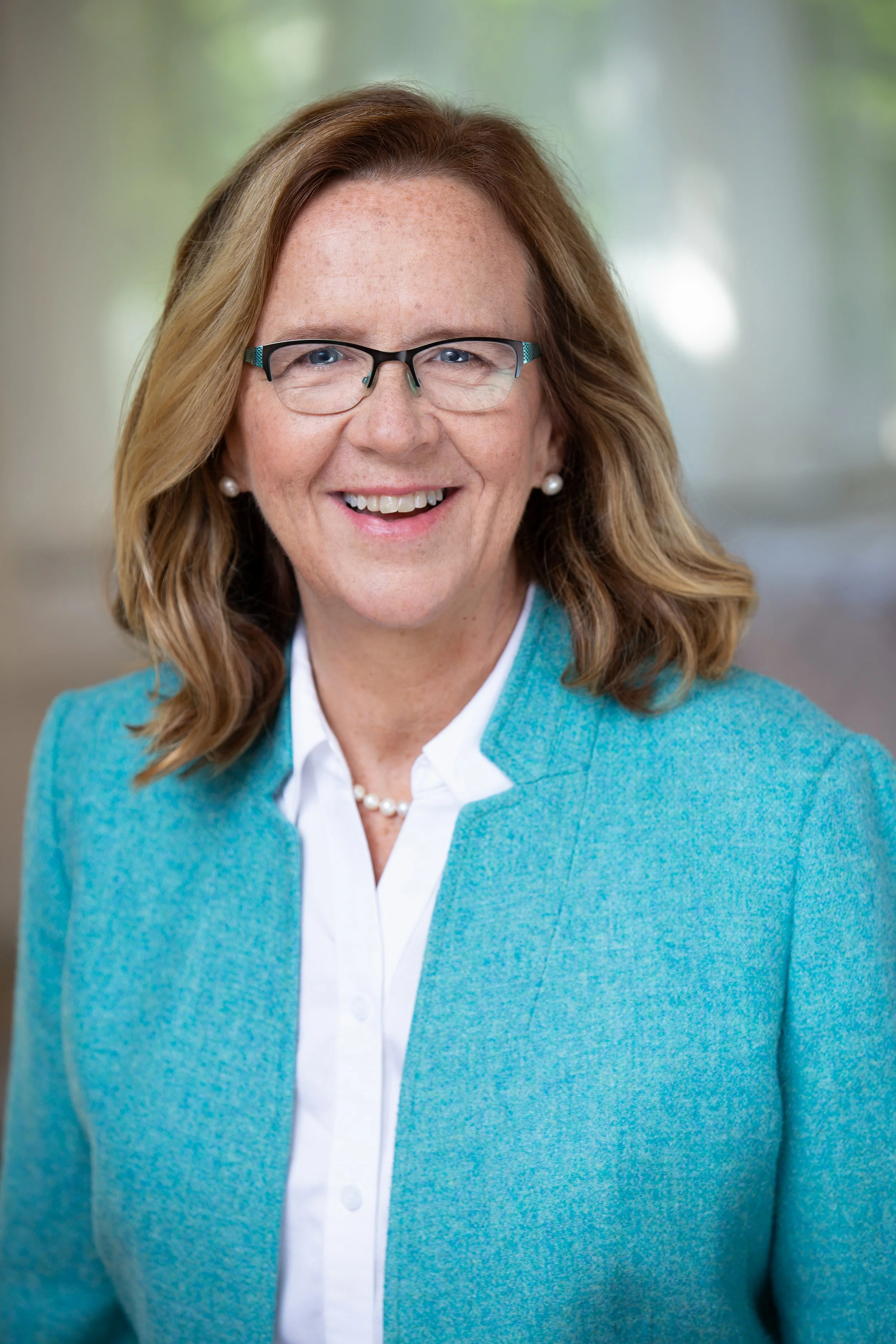
Dr. Sheila Riggs, DDS, MS, DMSc
That gap is what led Dr. Sheila Riggs, DDS, MS, DMSc and a small group of dental leaders to come together just over a year ago to form the Association of Critical Access Dental Providers of Minnesota (CAD-MN).
“We saw a need to work together—to have one voice,” Sheila shared. CAD-MN is a 501(c)(6) advocacy organization formed to support high-quality oral health care for underserved communities across Minnesota. The association brings together providers who have intentionally structured their practices to serve patients on public programs, and it works on two fronts: advancing shared policy priorities through advocacy, and improving day-to-day systems that affect patient access, like Medicaid claims processing and managed care barriers.
The University of Minnesota School of Dentistry is also a member of CAD-MN. One of the requirements to graduate for dental, dental therapy, and dental hygiene students is to deliver care through community outreach experiences. The school’s Division of Community Outreach and Engagement partners with 24 affiliate dental clinics in Minnesota, North Dakota and South Dakota to assist students in fulfilling their community outreach experience course requirements.
What “Critical Access” Really Means
When people hear the term critical access dental provider, Sheila wishes they understood the scale and imbalance of the system.
“There are about 4,000 dentists in Minnesota with full schedules serving people with commercial insurance or disposable income,” she explained. “But there are only about 100 dentists who have designed their practices to serve patients on public programs.”
Those roughly 100 providers are helping care for a population of nearly 1.5 million Minnesotans.
The need is immense. Tooth decay, gum disease, extractions, oral cancer screenings—Sheila described the demand as endless. In rural and under-resourced communities especially, there are simply too few access points for care.
Oral Health Is Public Health
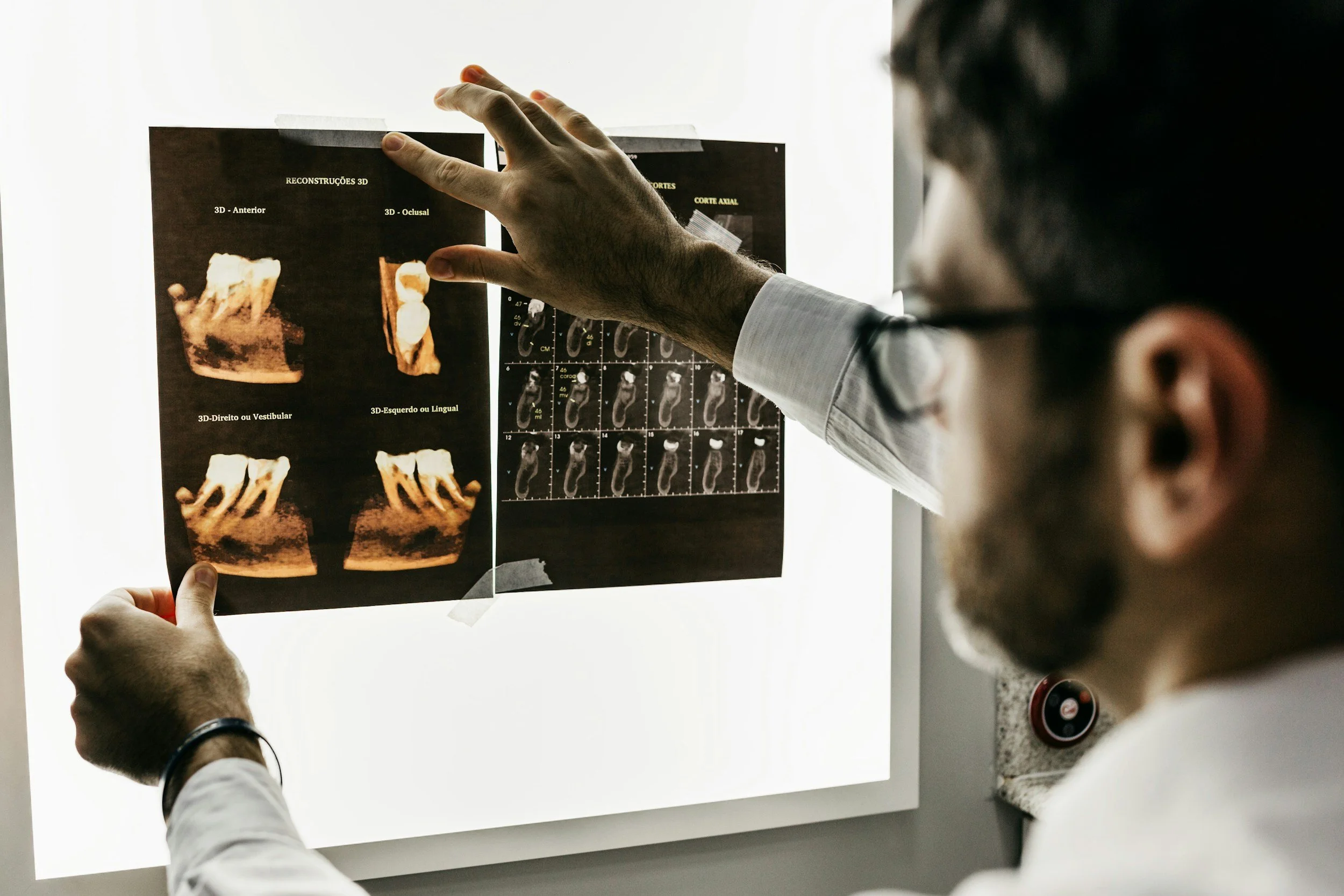
ABH often talks about oral health as a public health issue, and Sheila sees that connection clearly in her work.
“At the heart of decay and gum disease is bacteria,” she said. “That bacteria can enter the bloodstream, cause inflammation, and show up in other parts of the body.”
Dental offices are often the first place broader health concerns surface. Dentists may be the first to spot signs of undiagnosed diabetes when gum disease doesn’t heal. They are also on the front lines of tobacco-related harm. Commercial tobacco remains a leading risk factor for oral cancer, and vaping is increasingly linked to gum erosion and other oral health issues.
When dental care isn’t accessible, the consequences ripple outward. People in pain often end up in emergency rooms, where providers are not trained to treat dental issues, resulting in high costs, temporary fixes, and unresolved problems.
Meeting People Where They Are
Despite these challenges, Sheila pointed to innovative models that bring care directly to communities.
Programs like Ready, Set, Smile, which serves children in dozens of elementary schools, and Children’s Dental Services, which travels statewide to schools and community centers, are expanding access. Other providers, like AppleTree Dental, deliver care to nursing homes and group homes using mobile clinics equipped to meet patients where they live.
These models reflect a broader truth: access improves when systems are designed around people’s real lives—transportation barriers, work schedules, mobility challenges—not the other way around.
Collaboration Is the Path Forward
Looking ahead, Sheila sees CAD-MN as a connector to bring oral health more fully into public health advocacy spaces.
“Oral health is often missing from the broader advocacy landscape,” she said. “We want to change that.”
CAD-MN welcomes not only safety-net dental clinics, but allied members from across sectors who want to learn more, stay informed, and engage in advocacy. For Sheila, progress comes from pairing data with lived experience.
“Numbers tell, but stories tell.”
Stories of people missing work because of tooth pain. Of children struggling in school because their mouths hurt. Of preventable suffering that disappears when access exists.
ABH is grateful to be in partnership with leaders like Sheila Riggs and CAD-MN, who are working every day to ensure oral health is recognized for what it is: essential, interconnected, and worthy of collective action.
If you’re interested in learning more about CAD-MN or supporting this work, Sheila encourages anyone, inside or outside dentistry, to contact her to get involved and be part of the solution.