Youth Perceptions of Vaping: Supporting Cessation in NorthPoint Health & Wellness School-Based Clinics
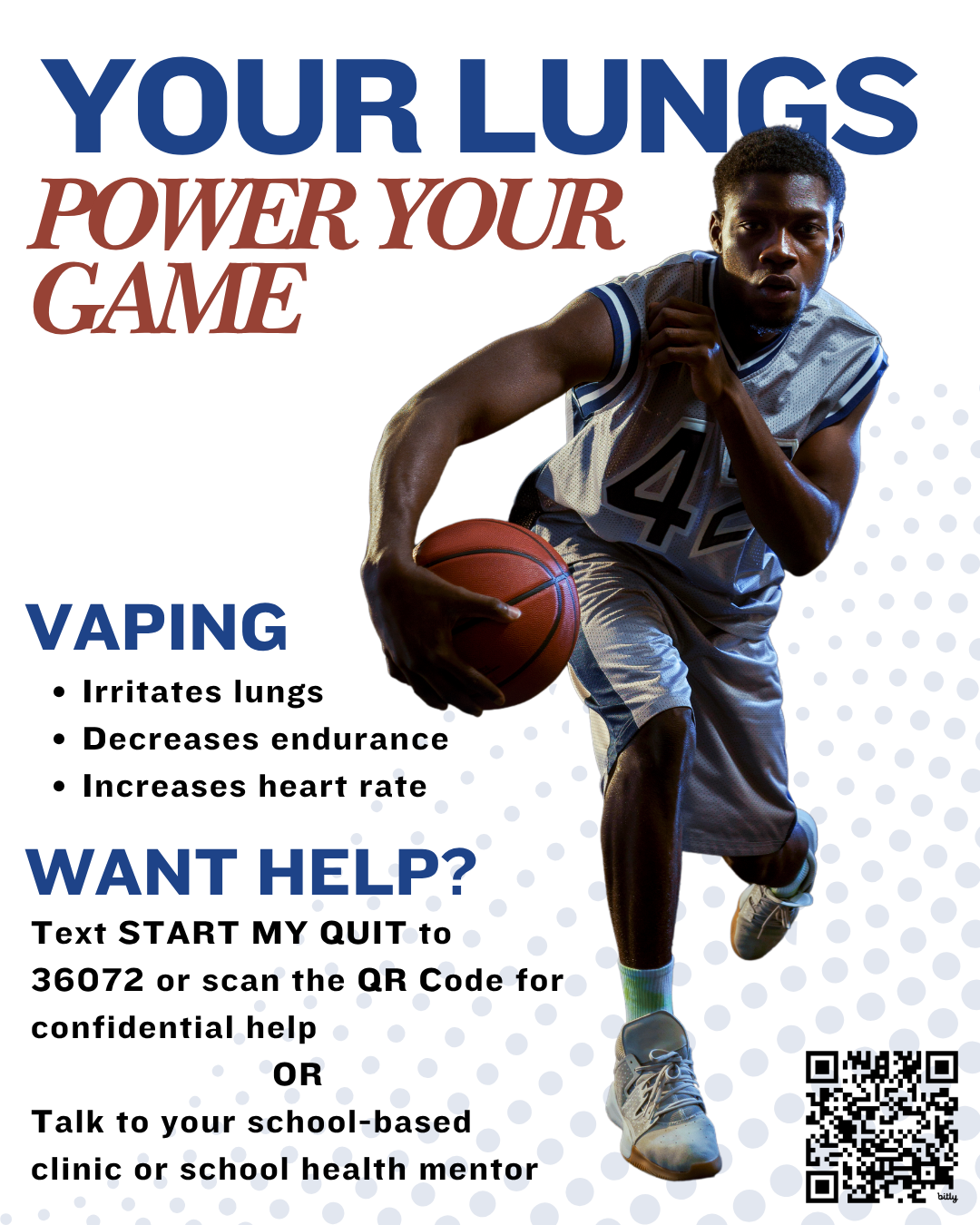
Final cessation materials, designed with student feedback from PYC Arts & Technology High School and Sojourner Truth Academy.
Ask a room of teenagers how common vaping is at their school, and you'll hear what we did: it's everywhere. But when we asked what would help someone quit, the answers were far more useful than any poster we could have designed on our own.
This year, Advocates for Better Health partnered with NorthPoint Health & Wellness Center on a youth-informed project to improve vaping cessation materials in Minneapolis Public Schools. Supported by the Minnesota Department of Health Tobacco-Free Communities Grant Program, the work was grounded in a community-based approach: if we want materials that reach young people, young people need to help shape them.
How we listened
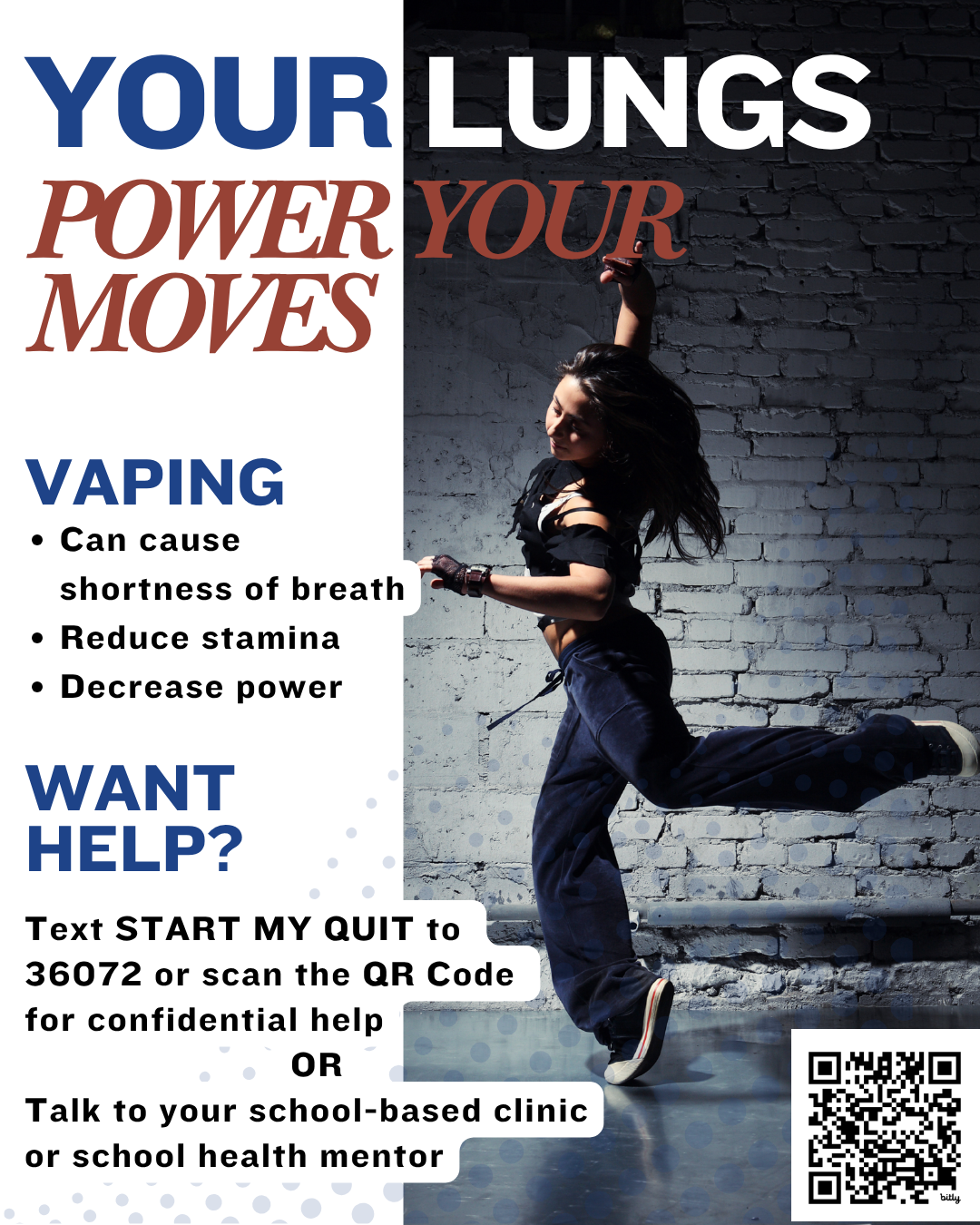
Final cessation materials, designed with student feedback from PYC Arts & Technology High School and Sojourner Truth Academy.
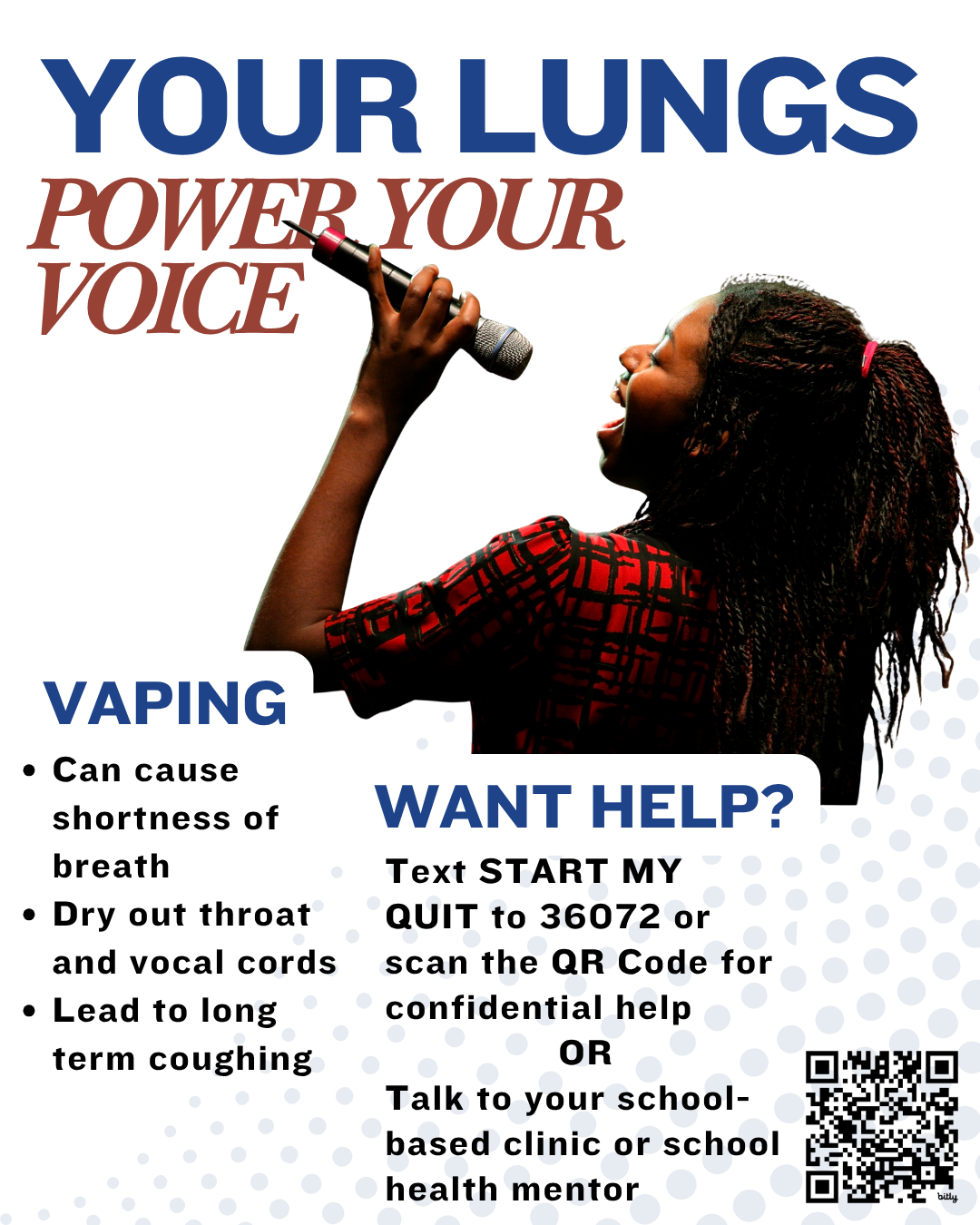
Final cessation materials, designed with student feedback from PYC Arts & Technology High School and Sojourner Truth Academy.
We began with an anonymous survey of students at PYC Arts & Technology High School, administered by NorthPoint staff in February 2026. The results shaped the questions for focus groups with high school students at PYC and middle school students at Sojourner Truth Academy in North Minneapolis. From there, students reviewed draft materials and told us what worked and what didn't. Their feedback guided every round of revisions.
What we heard
Vaping is normal, but misunderstood. More than 70% of surveyed students described vaping as "somewhat" or "very common" at school. Cigarettes, by contrast, were seen as something older adults do. Yet many students believed vaping was much safer than cigarettes and didn't realize the two products share addictive and harmful ingredients. Students named stress, anxiety, and coping with problems as the main reasons young people vape, and pointed to addiction, mental health reliance, and easy access as the biggest barriers to quitting.
Students want the truth, plainly told. They asked for clear, honest information specific to vaping, not generic tobacco warnings: what it does to your body right now, how it affects the things you do every day, and what the long-term risks look like. Strong visuals and real-world comparisons, they said, would make them more likely to pay attention and reconsider use.
Trust is the sticking point. Students know school-based clinics exist, but many hesitate to use them. They worry about getting in trouble, about confidentiality, and about stigma. Many said they'd prefer anonymous or outside sources of support.
Most posters get ignored, and students told us why. Materials that caught their attention used bold colors and strong contrast, humor or something unexpected, short and clear messages, and images of people who look like them, in activities they actually do. Images that felt too old, staged, or academic fell flat.
Placement matters. Students recommended hallways near high-traffic areas, gyms and activity-specific spaces like locker rooms and theater classrooms, and spots near bathrooms, stairs, and lockers.
What came next
Using these insights, we developed materials featuring activities students said they enjoy, including sports and music, and highlighting how addiction affects the likelihood of quitting and the value of peer-to-peer support.
Students at PYC tested early drafts, and students from both schools shaped the final versions. This fall, the materials were distributed through NorthPoint's school-based clinics, and NorthPoint staff completed trainings with PYC and Sojourner Truth Academy staff.
What we recommend
Our findings point to three priorities for future work:
Clear up misconceptions about nicotine in vapes. Use concrete, side-by-side comparisons to show how vape nicotine content compares to cigarettes, and address the belief that vaping is less addictive.
Design with youth, not just for them. Use real, relatable imagery, performance-focused messages, humor and bold design, and placement where students actually spend time. Keep content fresh instead of repeating one message.
Expand anonymous support. Promote text-based and online cessation resources, reduce reliance on in-school referrals alone, and keep students involved through ongoing peer support conversations and feedback loops.
Thank you to the students at PYC and Sojourner Truth Academy for your honesty and creativity, and to our partners at NorthPoint Health & Wellness Center for making this work possible.