Building Healthier Communities Through Children's Oral Health
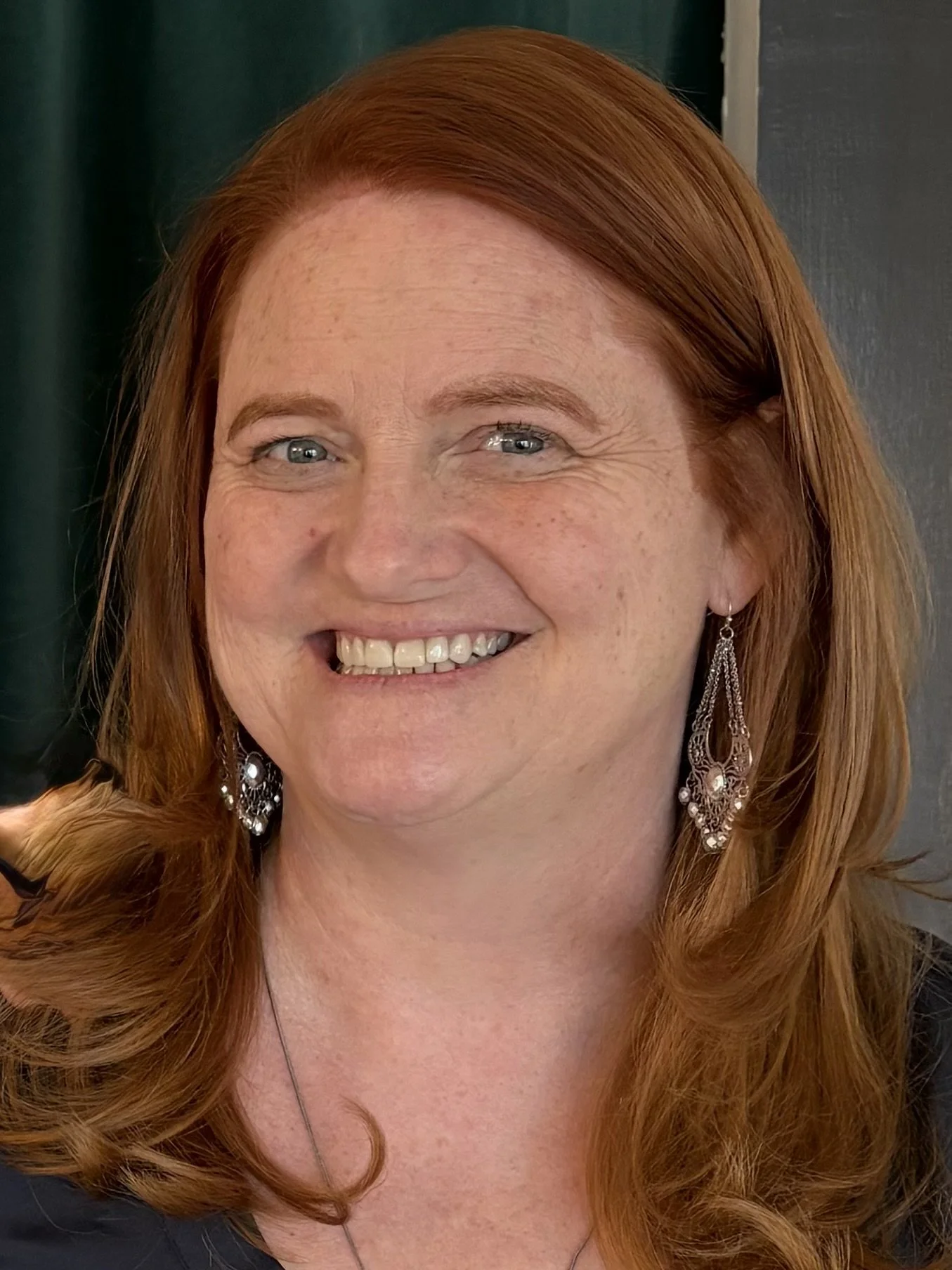
Tessa Trepp-Wetjen, Executive Director of Ready, Set, Smile
When people think about healthcare, dental care is often treated as something separate from the rest of the healthcare system. Yet oral health plays a critical role in a child's overall well-being, academic success, and long-term health outcomes.
For Tessa Trepp-Wetjen, Executive Director of Ready, Set, Smile, improving oral health access starts with recognizing that dental care is not optional.
"The mouth is part of the body, and it's all healthcare," she said.
Ready, Set, Smile partners with schools to provide dental care and oral health education to children who face barriers to accessing traditional dental services. Through school-based visits, community health workers, advanced dental therapists, and partnerships with dental students, the organization is working to ensure that every child can access care regardless of insurance status.
Access Is the Real Barrier
Too often, conversations about oral health focus on personal responsibility. Trepp-Wetjen believes that misses the bigger picture.
"We put the blame on families, but that has nothing to do with it," she said. "They literally don't have time or money to access dentistry. It's not ignorance. It's access."
Many families face difficult decisions every day. Housing costs, food insecurity, transportation challenges, and financial stress can make preventive dental care difficult to prioritize.
"You might be choosing between rent and a dental visit, and that's the right choice," Trepp-Wetjen said. "You might be choosing between food and a toothbrush. We're not shaming that."
These barriers can have significant consequences for children. Untreated dental disease often leads to pain, difficulty concentrating in school, missed classroom time, and preventable visits to emergency departments.
The challenge is compounded by limited provider access. According to Trepp-Wetjen, approximately half of Minnesota dentists do not accept Medicaid patients, creating another hurdle for families seeking care.
By bringing services directly into schools, Ready, Set, Smile reduces many of the logistical challenges that prevent families from receiving care in traditional settings. The organization's model is intentionally designed to minimize the amount of time, transportation, and coordination required from parents and caregivers.
Prevention Works
Ready, Set, Smile's focus on prevention is producing measurable results. Children who return to the program experience about a 25 percent reduction in active dental decay, demonstrating the impact of consistent preventive care and education.
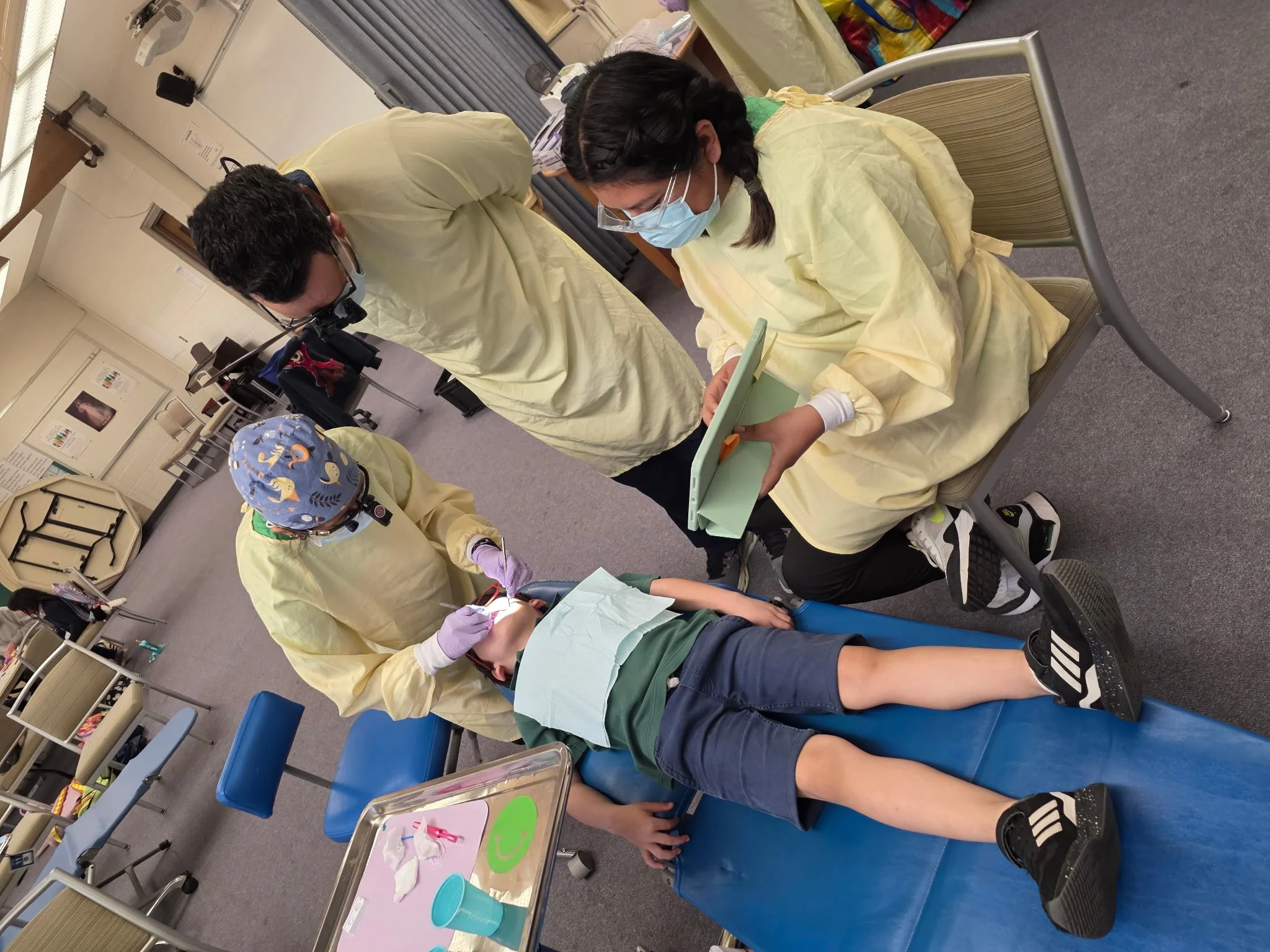
"Even one visit makes a difference," Trepp-Wetjen said.
The organization also recognizes the important role parents play in children's oral health, particularly during the early years.
"Up until about age eight, parent education is where it's at," she said.
Ready, Set, Smile is currently expanding efforts to support parents with practical education and resources while acknowledging the realities many families face. The goal is not to judge families for the choices they make under difficult circumstances, but to make healthy choices easier and more accessible.
For Trepp-Wetjen, one of the most rewarding parts of the work is seeing children's confidence grow alongside their oral health.
"We don't create smiles," she said. "The kids already have smiles. We're helping them keep their smiles healthy."
Looking Ahead
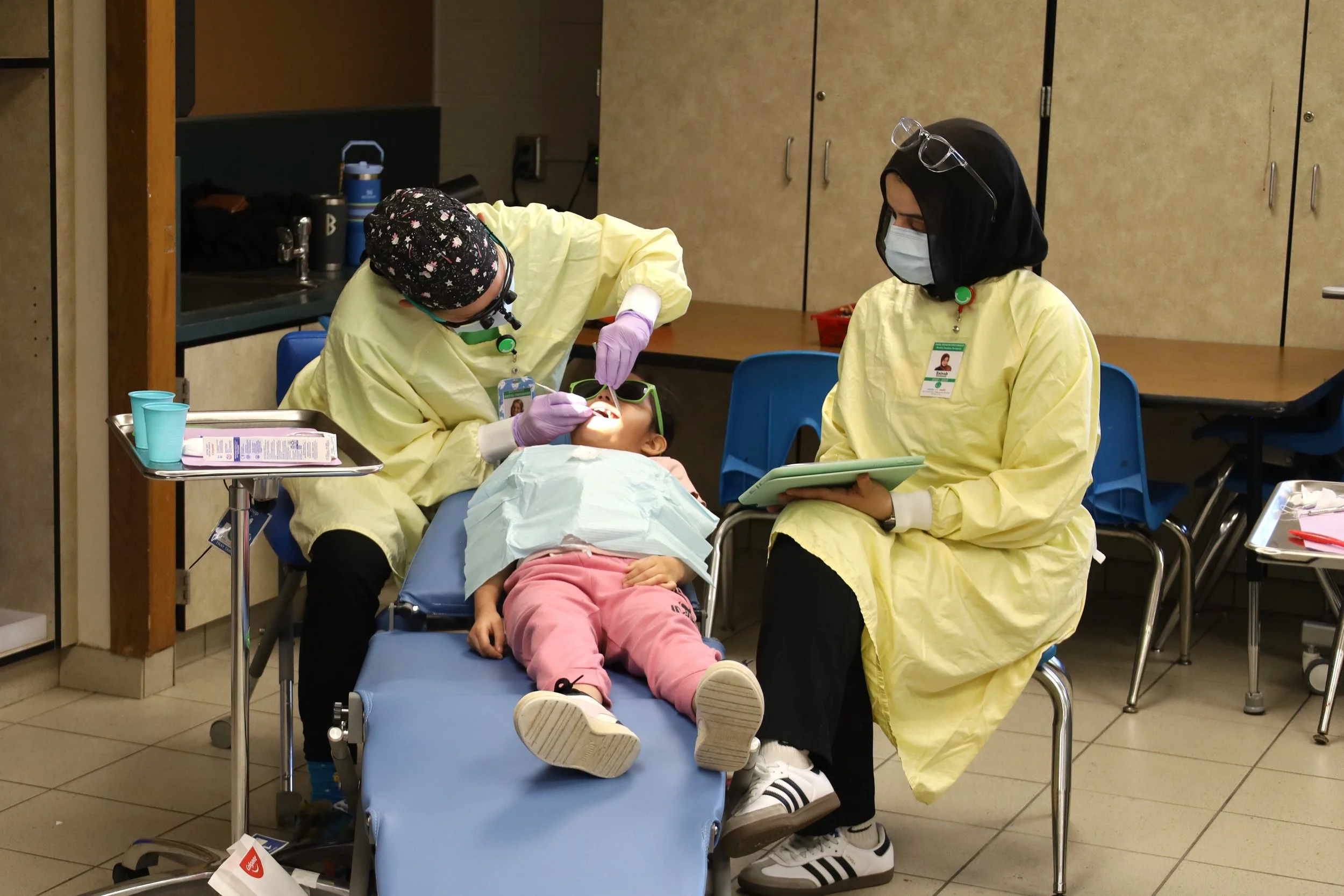
Trepp-Wetjen is optimistic about the future of children's oral health in Minnesota. She points to growing interest in the connection between oral health and public health, new workforce models, and emerging preventive treatments that can stop dental disease before more invasive procedures become necessary.
Ready, Set, Smile is also helping build the next generation of providers by training dental students and exposing them to community-based care. The organization uses community health workers and advanced dental therapists to expand access and strengthen relationships with the communities they serve.
At the same time, Trepp-Wetjen believes larger system changes are still needed. Oral health must be viewed as an essential healthcare service, not an add-on. Investments in workforce development, Medicaid access, prevention, and community-based care will all be necessary to ensure every child can receive the care they need.
"Like all healthcare, oral health is best done by people you trust in your community," she said.
That belief guides Ready, Set, Smile's work every day. By meeting children where they are and reducing barriers to care, the organization is helping ensure that healthy smiles and healthy futures are within reach for every child.