
Bringing Oral Health Into the Community

Kami Burgess, President of the Minnesota Dental Hygienists' Association
For 25 years, Kami Burgess has worked as a dental hygienist with a simple goal: helping people stay healthy through prevention and education.
Today, as president of the Minnesota Dental Hygienists' Association and a dental hygiene educator, Burgess is focused on something she believes can significantly improve access to care across Minnesota: Collaborative Practice Dental Hygiene.
"We're focused on prevention," Burgess said. "It's important to think about our scope of practice and how we can help people."
For many Minnesotans, finding affordable oral health care remains a challenge. Burgess says access issues continue to be one of the biggest barriers facing patients, particularly in rural communities where dental clinics may be hours away.
That's where collaborative practice can make a difference.
Bringing Care Into Communities
Collaborative Practice Dental Hygiene allows dental hygienists to provide preventive services in community settings and connect patients with additional care and resources.
Rather than requiring patients to come to a traditional dental office, Burgess believes providers should look for opportunities to bring services directly into communities.
"We come to them. We meet them where they're at," she said.
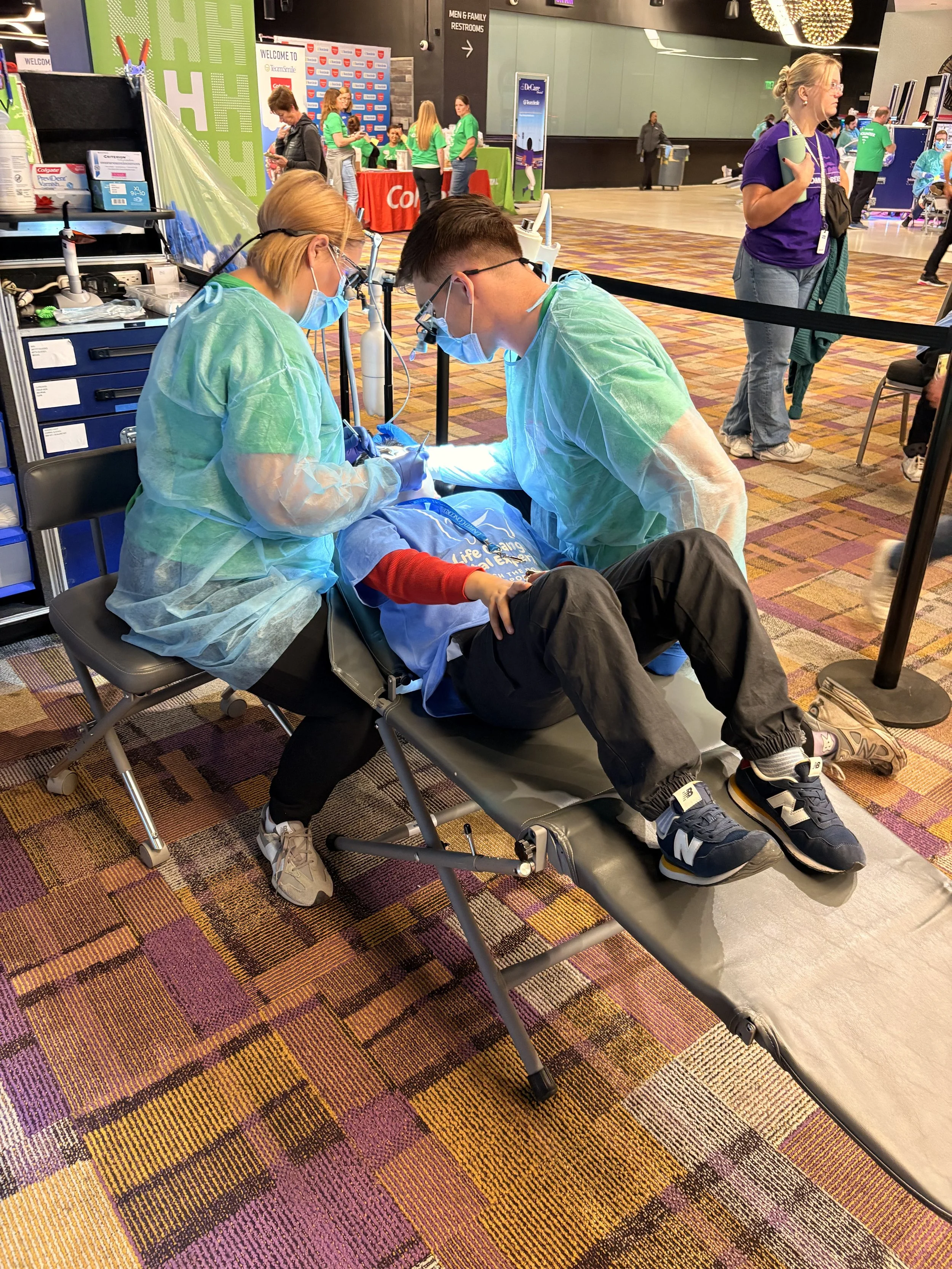
Through her dental hygiene program, Burgess partners with Stearns County to transform a local church into a health clinic for a day. Dental hygiene students work alongside medical providers and community organizations to offer screenings, preventive care, referrals, and health education.
The model allows patients to access multiple services in one location while reducing transportation and scheduling barriers.
"It's a way to pool our resources so people can get what they need in one place," Burgess said.
Collaborative practice also extends into schools, where dental hygienists provide education on oral health, nutrition, and healthy habits while helping identify concerns before they become more serious.
Prevention Works When Care Is Consistent
Throughout her career, Burgess has seen how preventive care can change health outcomes when patients have consistent access to services.
She recalls working in private practice for 15 years and watching young patients grow into adulthood. Those long-term relationships allowed her to see the impact of regular preventive care over time.
"Continuity of care is critical," she said.
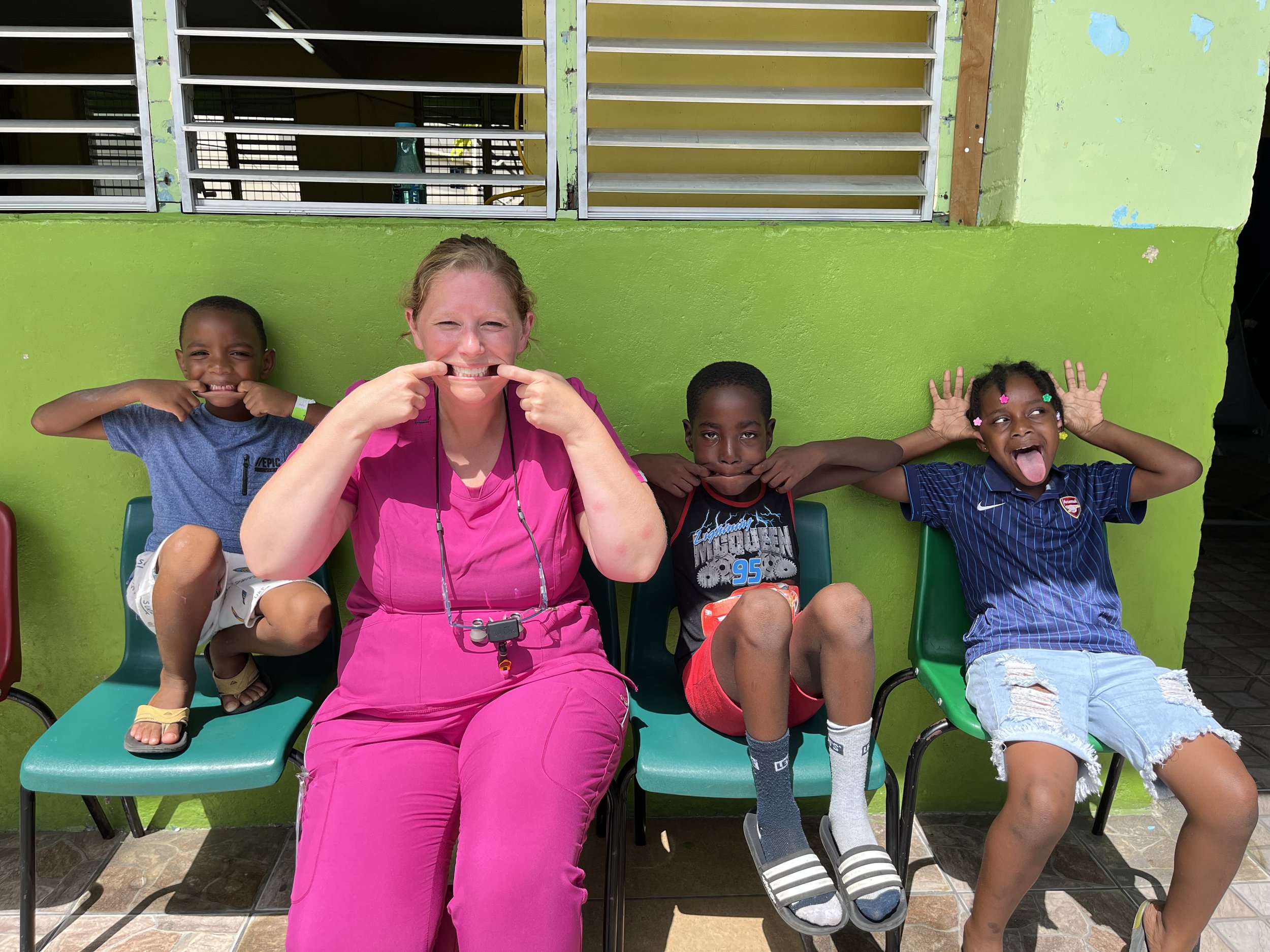
The same lesson emerged through a mission dentistry program she founded in Jamaica. Returning to the same community year after year, Burgess saw a noticeable decline in cavities and severe dental issues as preventive care became more consistent.
"Our first years, there were a lot of major issues and extractions," she said. "As the years went on, we stopped seeing so many cavities and major problems."
The experience reinforced her belief that prevention works when people have ongoing access to care and education.
Building Trust Through Education
Dental hygienists are often among the first healthcare professionals patients interact with during a visit. Burgess says that position creates opportunities to build trust and support broader health conversations.
"A lot of times people have fear entering into dentistry," she said. "Our role is to start that relationship and help people understand that it's OK to ask questions."
Those conversations often extend beyond oral health. Hygienists regularly discuss nutrition, overall wellness, disease prevention, and risk factors that affect long-term health.
Tobacco use is one example.
Burgess notes that many patients don't realize commercial tobacco products can reduce saliva flow, limiting the mouth's natural ability to protect teeth and gums. Reduced saliva can increase the risk of cavities and periodontal disease.
The growing popularity of e-cigarettes and vaping products has created additional concerns, particularly among youth.
"When I have a 13-year-old who doesn't have a normal flow of saliva, we know something is going on," she said.
Through education and trusted relationships, dental hygienists can help patients understand these risks and connect them with resources that support healthier choices.
Looking Ahead
As conversations continue about the future of oral health care in Minnesota, Burgess hopes to see greater awareness and utilization of Collaborative Practice Dental Hygiene.
"I would love to see more education and awareness to increase partnership and access," she said.
She also believes stronger collaboration between medical and dental providers will be essential to improving health outcomes.
"The future is finding ways to work together," Burgess said.
For Burgess, the goal is simple: make care more accessible, strengthen prevention efforts, and ensure every Minnesotan has the opportunity to build a healthy future.