Helping Patients Find Their Way: The Impact of Lung Health Navigation
For many people living with chronic lung disease, receiving a diagnosis is only the first step. Understanding treatment options, finding specialists, managing medications, navigating insurance, and making lifestyle changes can quickly become overwhelming.
That's where navigation services can make a meaningful difference.
We recently interviewed Jen Schroeder, Manager for Nationwide Health Promotions with the American Lung Association, about community-based support and navigation services. In her role, she supports the development of educational resources for individuals living with chronic lung disease, oversees a national network of Better Breathers Clubs, and helps connect patients and caregivers with a range of Lung Association resources, including the Lung Health Navigator program.
Read below for our Q&A interview with Jen about these vital programs!
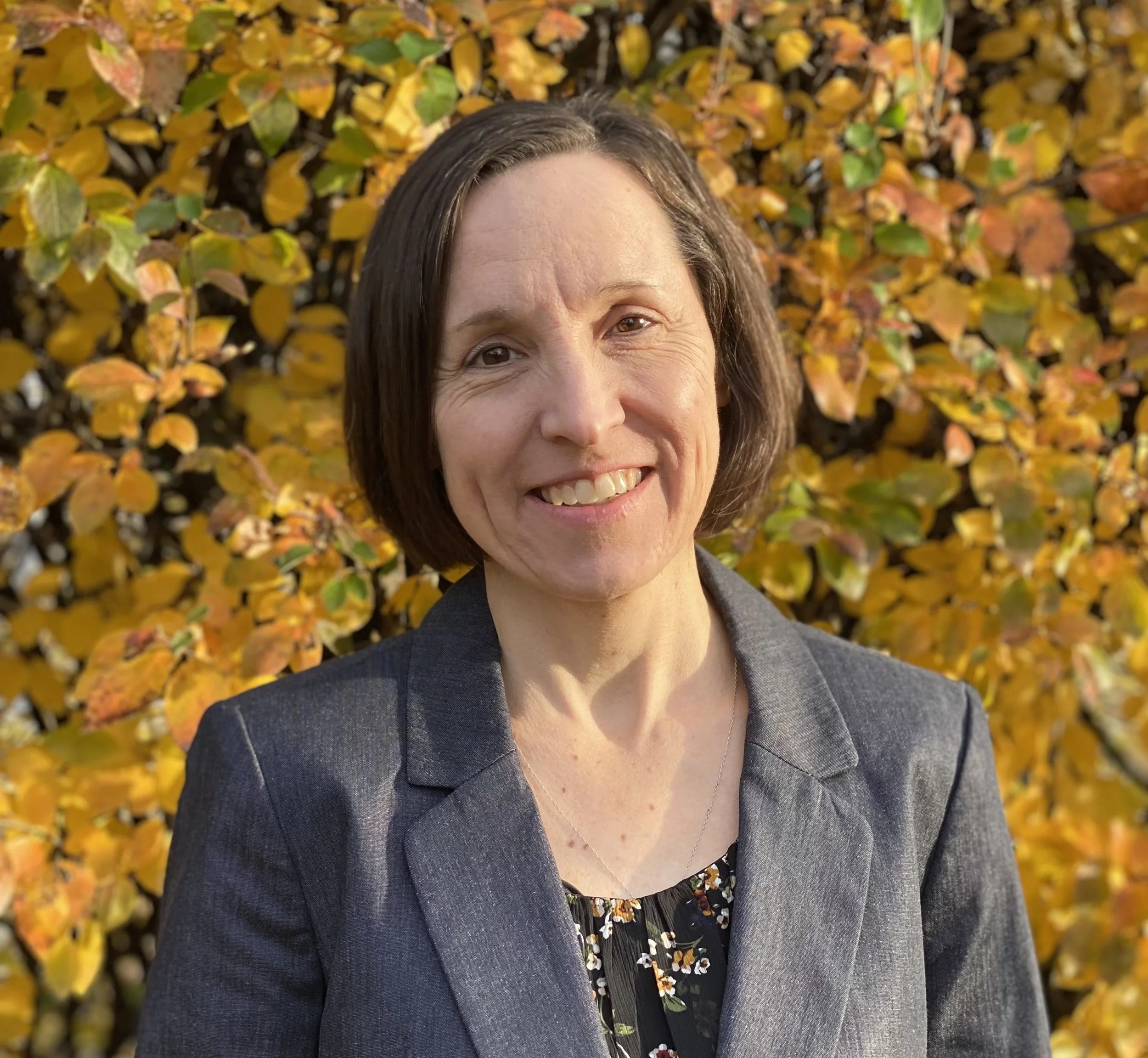
Jen Schroeder, Manager for Nationwide Health Promotions with the American Lung Association
For readers who may not be familiar with the program, what exactly does a Lung Health Navigator do?
The American Lung Association Lung Health Navigators are trained health experts, registered nurses and respiratory therapists, who provide free, personalized one-on-one support to people living with chronic lung disease and their caregivers. The service is offered by phone or video, so participants can access it wherever they are. Spanish language staff are available, as well as translation services for more than 250 languages.The program currently supports people living with COPD, asthma, pulmonary fibrosis, and lung cancer.
They help people understand and navigate their lung health journey by:
Explaining diagnoses and treatment options
Helping find specialists or seek second opinions
Offering guidance on lifestyle changes and disease management
Assisting with insurance and access to care
Connecting to education, resources and support services
A Navigator’s overall goal is to empower individuals to better manage their condition and improve quality of life through education, guidance and ongoing support.
How do social determinants of health — like transportation, housing, insurance, or language access — impact lung health outcomes?
Social determinants of health, including transportation, housing, insurance coverage, income and language access, have a major impact on lung health outcomes because they affect exposure risks, health literacy, and access to care. These factors can shape everything from an individual’s ability to avoid environmental triggers and adhere to treatment plans, to whether they can access timely screenings, medications and specialty care. Addressing these barriers is essential to improving health equity.
The Lung Health Navigator Program is very people-centered. What does that approach look like in practice?
A people-centered approach in the Lung Health Navigator Program means meeting individuals where they are and tailoring support and education to their needs and circumstances. We use a structured approach and evidence-based educational resources, which can then be personalized to align with each participant’s goals.
Navigators take time to listen and understand each person’s situation, including their diagnosis, concerns, goals, and any barriers they may be facing. Based on that, they offer customized education and support, whether that’s explaining treatment options, helping someone prepare for conversations with their provider or identifying lifestyle changes that are realistic for the participant.
A people-centered approach empowers individuals to feel more confident and informed about their care; while ensuring they have the support they need to manage their lung health in a way that works best for them.
Community health workers often serve as trusted connectors between health systems and communities. How do you see their role intersecting with the work of lung health navigators?
The Lung Health Navigators are a valuable resource for community health workers to utilize when working with people in their community with chronic lung disease. The Navigators act as another arm of support and education. CHWs serve as trusted, frontline workers in their communities, and they can assist with identifying community members who would benefit from the specialized education provided by the Navigators related to specific chronic lung diseases. The Navigators work to reinforce the efforts of the CHWs, offering further personalized education and support to help individuals better understand their condition, navigate care, and feel more confident in managing their lung health.
Why is trust-building such an important part of improving health outcomes, especially in historically underserved communities?
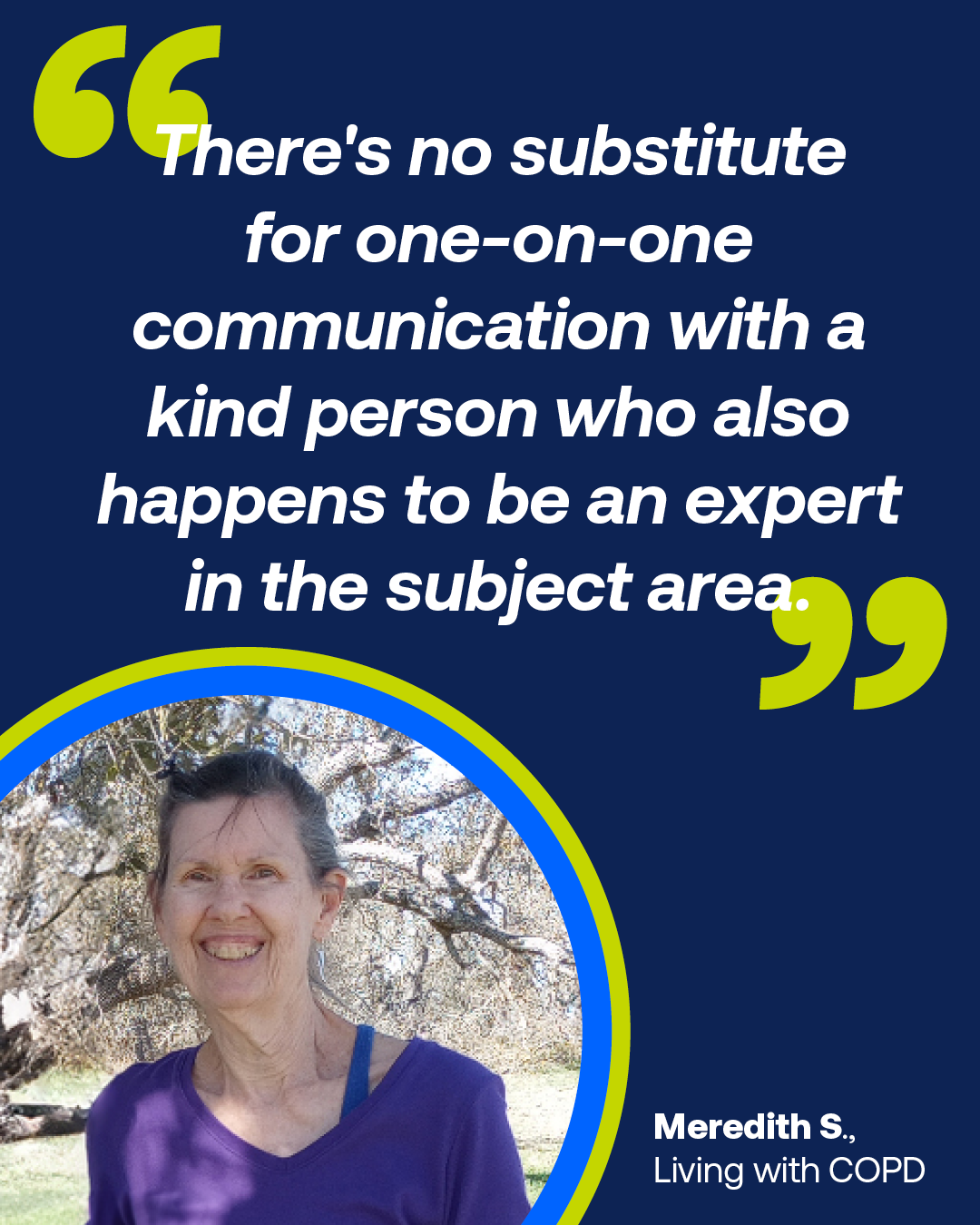
A participant in American Lung Association’s Lung Health Navigator Program
Trust building is integral to improving health outcomes because it helps bridge the gap between individuals and the medical system. There can be an underlying lack of trust, particularly for individuals from underserved communities, regarding the medical system, and this can impact timely diagnosis, adherence to treatment plans, and proactively managing your chronic lung disease. When trust is established, through CHWs and our Navigators, individuals are more likely to engage in open communication, ask questions, seek preventive care and follow recommendations.
What gives you hope right now when it comes to improving lung health equity and access to care?
I am hopeful about improving lung health equity and access to care for a number of reasons. The American Lung Association continues to play a critical role by advocating for equitable policies, funding research, expanding education and connecting patients with lifesaving resources and support. Programs like our Lung Health Navigator program exemplify this work in action, meeting people where they are and providing equitable, personalized education, guidance and support. By removing barriers to information and care and ensuring these resources are available to everyone, we are making meaningful progress toward improving outcomes and advancing lung health equity.
What do you wish more people understood about the importance of navigation services and community-based health support?
I wish more people understood that there are valuable, free navigation services and community-based support available to help improve both quality of life and health outcomes. Too often, individuals feel they must navigate a complex health system on their own, when these services are designed to provide guidance, education and encouragement every step of the way.
Navigation services help individuals better understand their condition, connect with trusted local and national resources, and feel supported in making informed decisions about their health. It is important to realize they are not alone when working towards living their best possible life.