
From Clinic to Council: How One Physician Is Bringing Public Health to Local Leadership
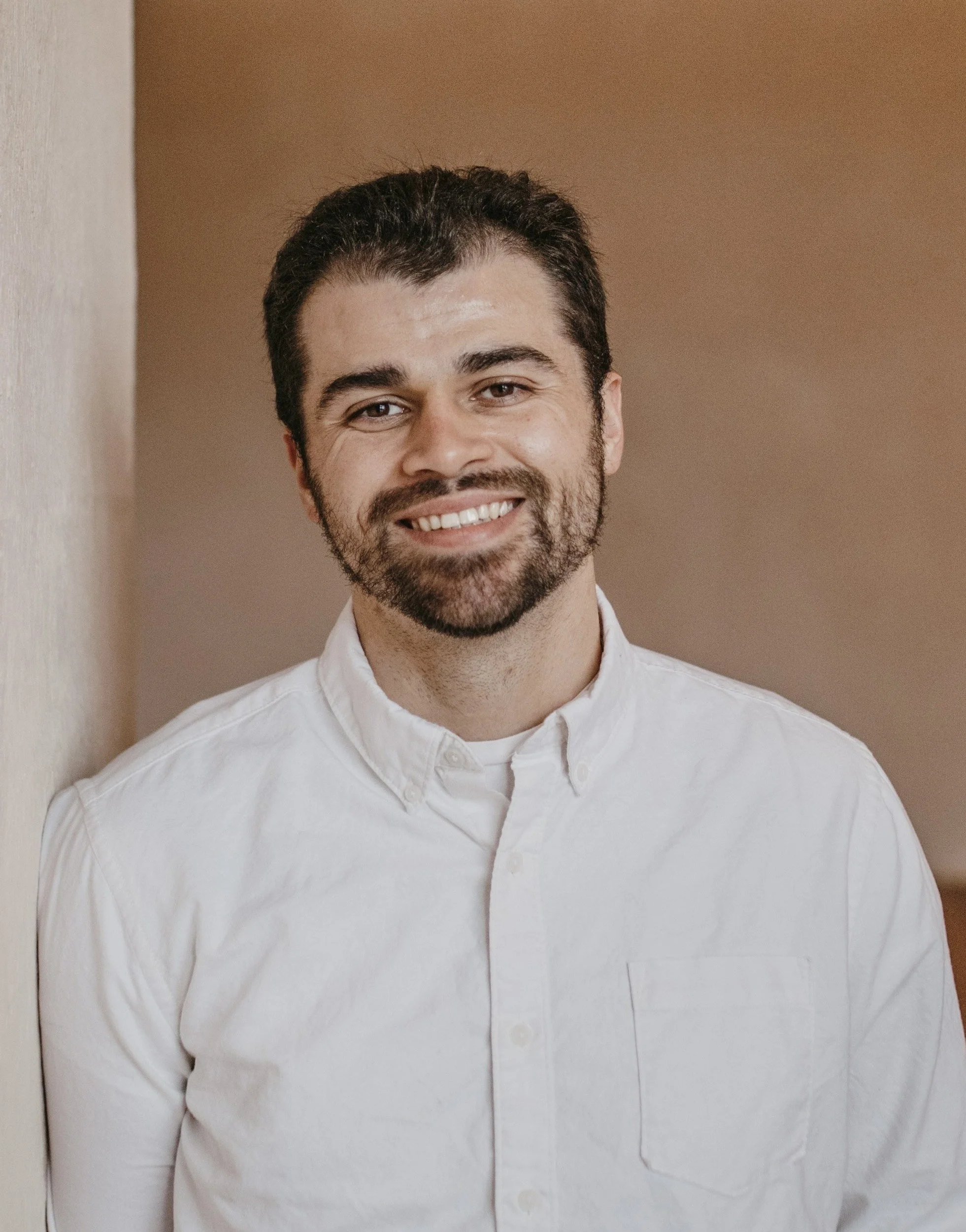
Dr. Justice Spriggs
For Advocates for Better Health, the goal of the Public Health Fellowship is simple: equip emerging leaders with the tools to improve community health at a systems level.
For Justice Spriggs, that mission became a career path.
A physician by training, Spriggs now serves on the Columbia Heights City Council—bringing a public health lens to local decision-making and demonstrating how healthcare professionals can play a critical role beyond the clinic. He is currently running for a seat in the Minnesota House of Representatives in District 39B to represent Columbia Heights, St. Anthony, and New Brighton.
Spriggs didn’t always plan to become a physician. Growing up in a family of educators, he initially imagined following a similar path. But an early exposure to medicine through shadowing an emergency room doctor helped him see a different way to combine his interests.
“I found a path that combined my love of science, public health, and educating,” he said. “As a physician, you’re constantly educating patients and building strong connections.”
That focus on connection would later shape how he approaches both medicine and public service.
Like many in healthcare, Spriggs began to see the limits of clinical care as soon as he started working with patients.
“You see how housing, transportation, air quality, and schools directly impact health,” he explained. “We knew the condition that brought someone into the hospital, but it often felt like we were putting a bandage on a problem we couldn’t fix.”
One experience during a family medicine rotation made that reality clear. A patient with diabetes needed insulin, but couldn’t afford their utility bill, meaning they had no way to refrigerate the medication.
“They were struggling to meet basic needs,” Spriggs said. “That’s when it really clicked how much broader systems shape health.”
At the same time, the onset of COVID-19 during his first year of medical school exposed him to policymaking in real time. Watching how decisions were made and who was at the table sparked a new interest.
Building Skills Through the ABH Fellowship
Spriggs joined the ABH Public Health Fellowship to better understand how to influence those systems.
“I wanted more tools to help shape public health and fight for a system that works for everyone,” he said.
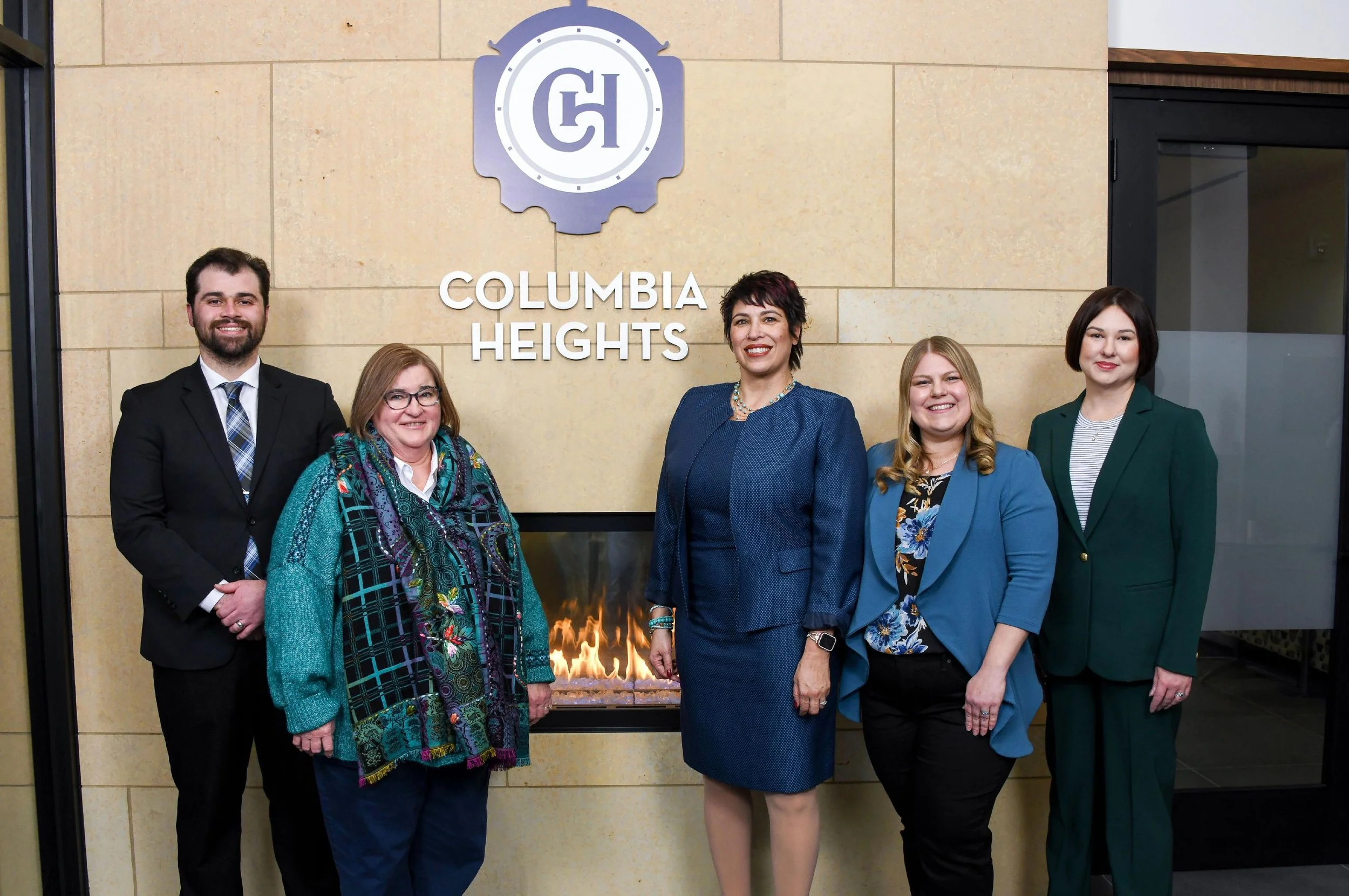
Dr. Justice Spriggs and the Columbia Heights Council members
Through the fellowship, he explored issues like healthcare access and disparities, while gaining practical skills in advocacy and communication.
One lesson stood out: facts alone aren’t always enough.
“You can bring all the data, but stories are what move things forward,” he said.
The fellowship also created opportunities to connect with policymakers and public health leaders; relationships that helped demystify how change happens.
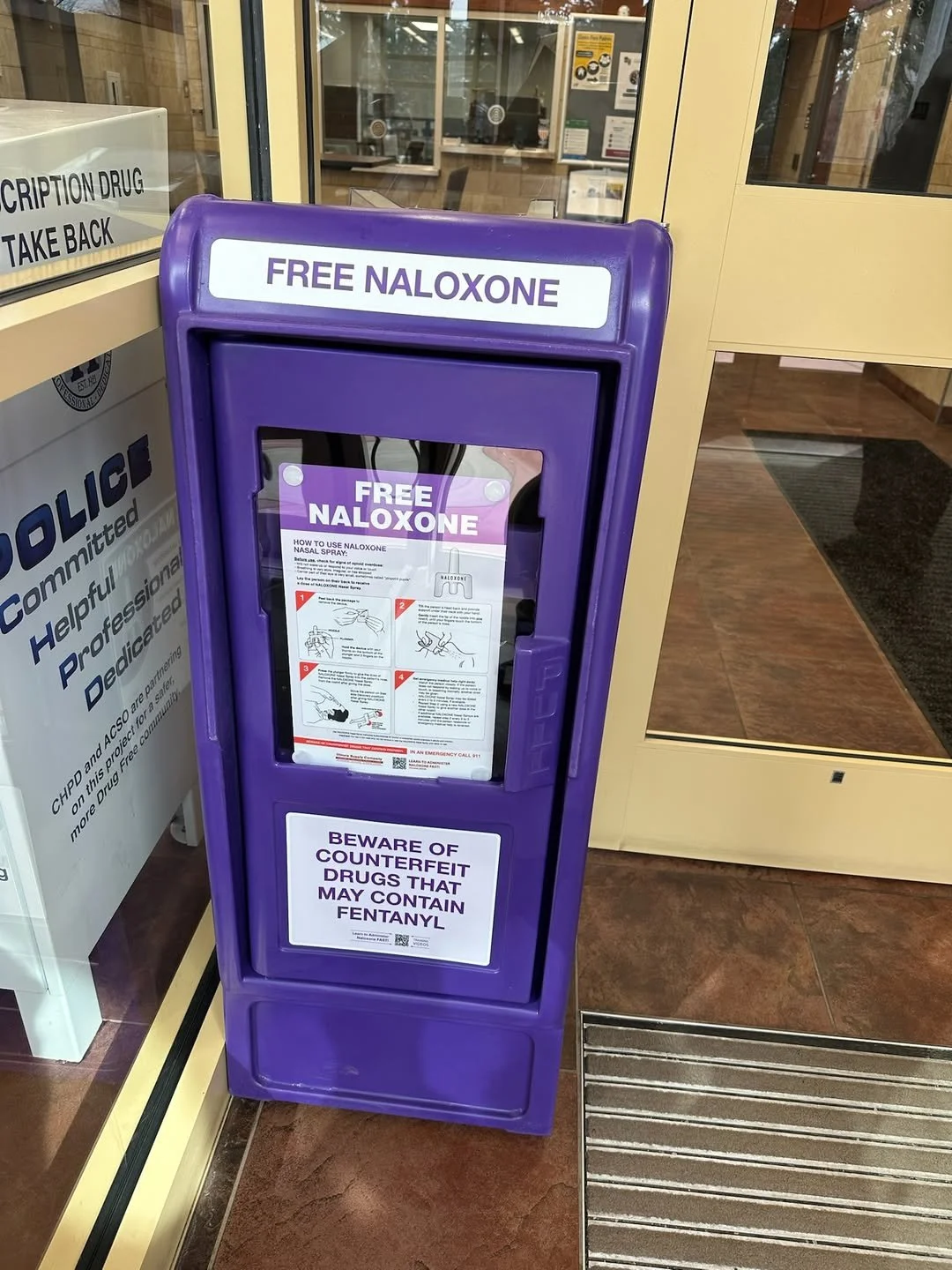
The newly launched free Narcan station in Columbia Heights.
“Those connections and the ability to build coalitions are something I still use every day,” he added.
After completing the fellowship, Spriggs took an additional step: he ran for and was elected to the Columbia Heights City Council.
In that role, he applies a population-level perspective to local decisions, something he says is often missing in municipal governance.
“I try to bring public health into every decision,” he said. “Whether it’s park improvements or road design, I’m thinking about how it impacts the health of the entire community.”
That approach has translated into tangible changes. The city has conducted a comprehensive traffic study to improve safety, and is now working on adding infrastructure like sidewalks and roundabouts. Spriggs also championed and helped pass one of Minnesota’s most progressive tobacco policies restricting flavored tobacco products. He also worked to set up a free, 24/7 Narcan/Naloxone pick up station in Columbia Heights.
Why Healthcare Voices Matter in Policy
Spriggs believes more healthcare professionals should consider engaging in public service, not only by running for office, but by getting involved in their communities.
“People in healthcare haven’t always been at the table,” he said. “But policy decisions impact patients every day. Those with firsthand experience need to be part of the conversation.”
For those looking to get started, his advice is simple: show up.
“Attend a city council meeting. Learn what’s happening in your community,” he said. “There are so many organizations doing good work and looking for people to get involved.”
Improving health outcomes, Spriggs emphasized, requires collaboration across sectors.
“Community leaders bring the voice of the people. Providers bring patient experience. And policymakers help move solutions forward,” he said. “You need all three perspectives to create effective public health policy.”
Looking Ahead
Spriggs’s journey, from medicine to public health advocacy to local government, reflects a broader shift: more healthcare professionals are recognizing the importance of engaging beyond the clinic.
For organizations like Advocates for Better Health, it’s exactly the kind of impact the fellowship is designed to inspire.
And for communities, it’s a reminder that better health outcomes often start not just in hospitals, but in the policies and decisions that shape daily life.