Elevating Rural Voices: How Project REACH Is Shaping Health Policy from the Ground Up
In rural communities across Minnesota, neighbors look out for one another. There’s a deep sense of connection, resilience, and pride; qualities that make these communities not only unique, but essential to the fabric of the country.
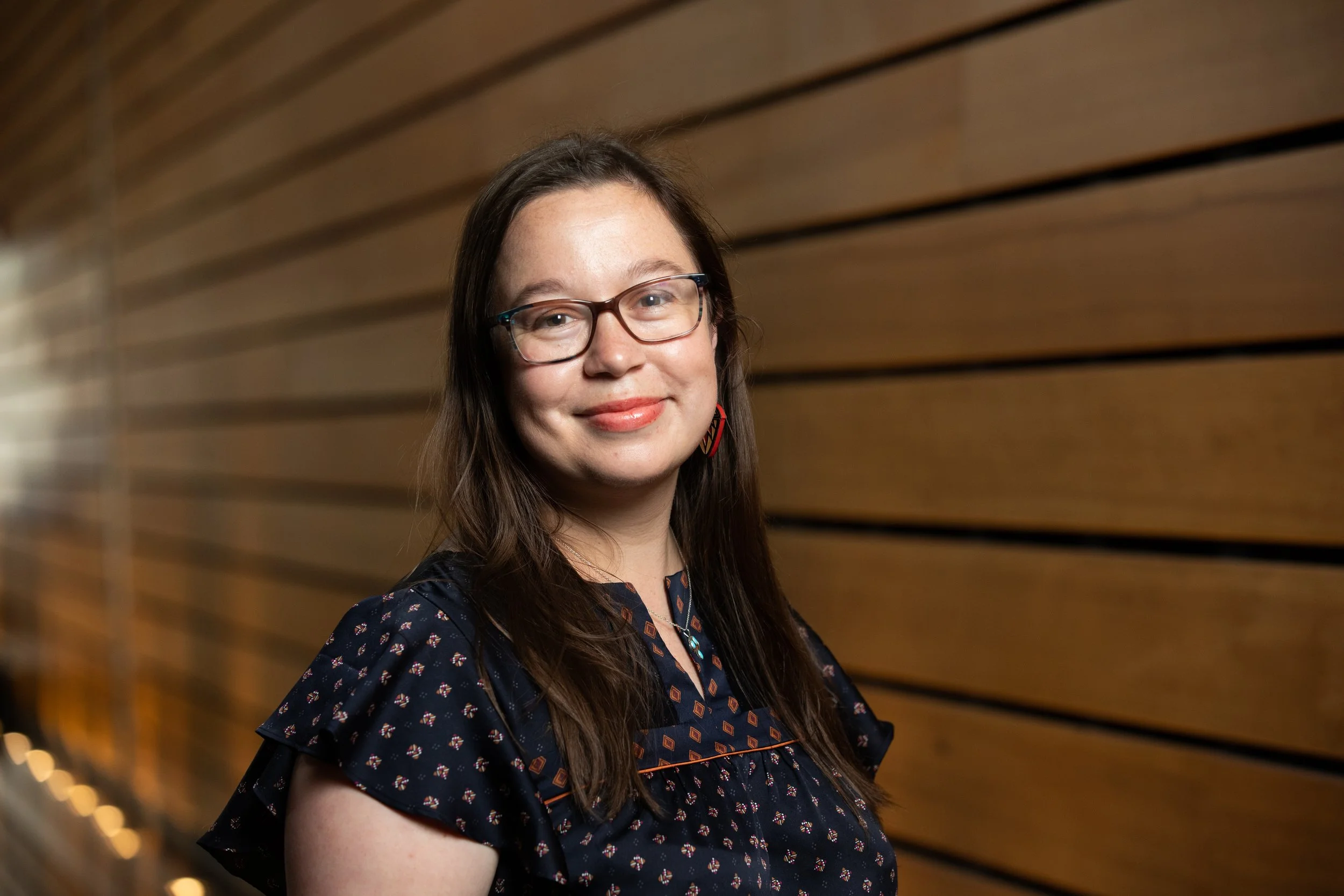
Project REACH Program Manager, Katie Rydberg
Yet too often, the people who know these communities best are left out of the conversations that shape their health.
That’s exactly what Project REACH is working to change.
At the University of Minnesota, Project REACH—short for Rural Experts Advancing Community Health—is empowering local leaders to take an active role in shaping the policies that impact their communities. As Program Manager Katie Rydberg explains, the initiative is grounded in a simple but powerful belief: the people closest to the challenges are also closest to the solutions.
Building Policy Leaders from Within
Launched in 2021 as part of the university’s broader rural health efforts, Project REACH was designed to address a persistent gap in public health: the lack of rural representation in policy development.
“It’s really important to have rural people leading policy change,” Rydberg says. “They know their communities—their strengths, their needs—and they understand what might actually work.”
The program is free to participants and even offers a stipend, reducing barriers for those who want to get involved but may not have formal training in policy or public health. Over the course of a year, participants learn how to identify pressing health challenges in their communities and translate them into actionable policy solutions.
But what makes Project REACH distinct isn’t just what participants learn, it’s how they learn.
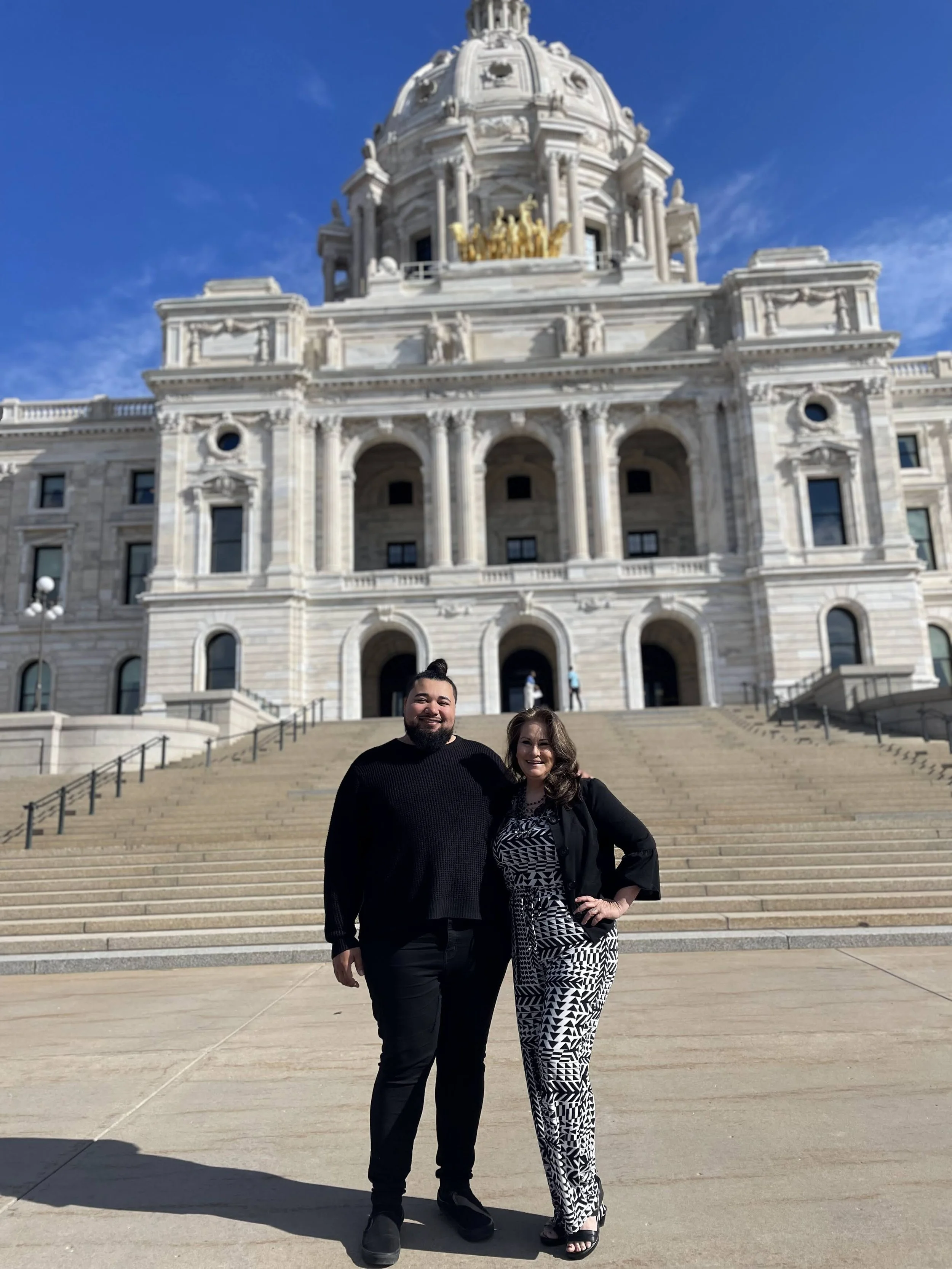
Past Program Participants, Ben Cahill and Shelly Munoz at the Capitol in St. Paul in April 2024.
Rather than jumping straight to solutions, the program starts with something more foundational: defining the problem.
“Often, people are solution-oriented first,” Rydberg explains. “But that’s where division can come in. If people can come to a shared understanding of the problem, that’s what helps move things forward.”
From there, participants dive into data and research, learning how to identify credible sources and build evidence-based arguments. They explore who holds decision-making power at the local, state, and federal levels, develop strategies for coalition building, and identify partners who can help move their ideas forward.
Midway through the program, each participant develops a policy proposal tailored to their community. The second half of the program focuses on communication: writing op-eds, creating one-pagers, and delivering presentations to different audiences.
In recent years, participants have even had the opportunity to bring their work directly to policymakers at the state capitol to transform theory into real-world policy change.
Addressing Urgent Rural Health Challenges
The issues participants tackle reflect the realities facing rural communities today.
Mental health consistently rises to the top, with many participants focusing on suicide prevention, opioid use, and access to care. Others address chronic conditions like Type 2 Diabetes by looking at local food systems and access to nutritious foods. Some take on highly localized challenges, such as nitrate contamination in private wells.
“There are broad trends, but also very niche, local issues,” Rydberg says. “That’s the importance of having community members lead this work. They can identify needs that might otherwise be overlooked.”
Since its first cohort in 2021, Project REACH has already contributed to tangible policy and community changes across Minnesota.
One participant focused on reducing isolation among older adults in rural areas. By partnering with state library services, she helped secure provisions to expand digital access, creating new opportunities for connection and community.
Another participant successfully proposed funding to support nitrate testing in private wells, addressing a critical but often underrecognized environmental health risk.
Others have influenced how opioid settlement funds are allocated, ensuring resources go toward treatment and support where they’re needed most, and helped direct resources toward mental health services for specific populations.
Even beyond formal policy wins, the ripple effects are significant. Through an alumni fund, Project REACH continues to support participants long after the program ends—whether that’s hosting community events or advancing ongoing policy work. In one case, funding helped launch a local mental health conference in Sleepy Eye, bringing together partners to address adverse childhood experiences and share resources.
Shifting the Narrative
At its core, Project REACH is about more than policy. It’s about changing who gets to shape it.
“Policymakers often make assumptions about what communities need,” Rydberg says. “But that’s not always accurate.”
By equipping participants with both data and storytelling skills, the program helps them challenge those assumptions. Lived experience becomes a powerful tool for change by putting real faces and stories behind the issues.
Looking Ahead
The impact of Project REACH now extends beyond its participants.
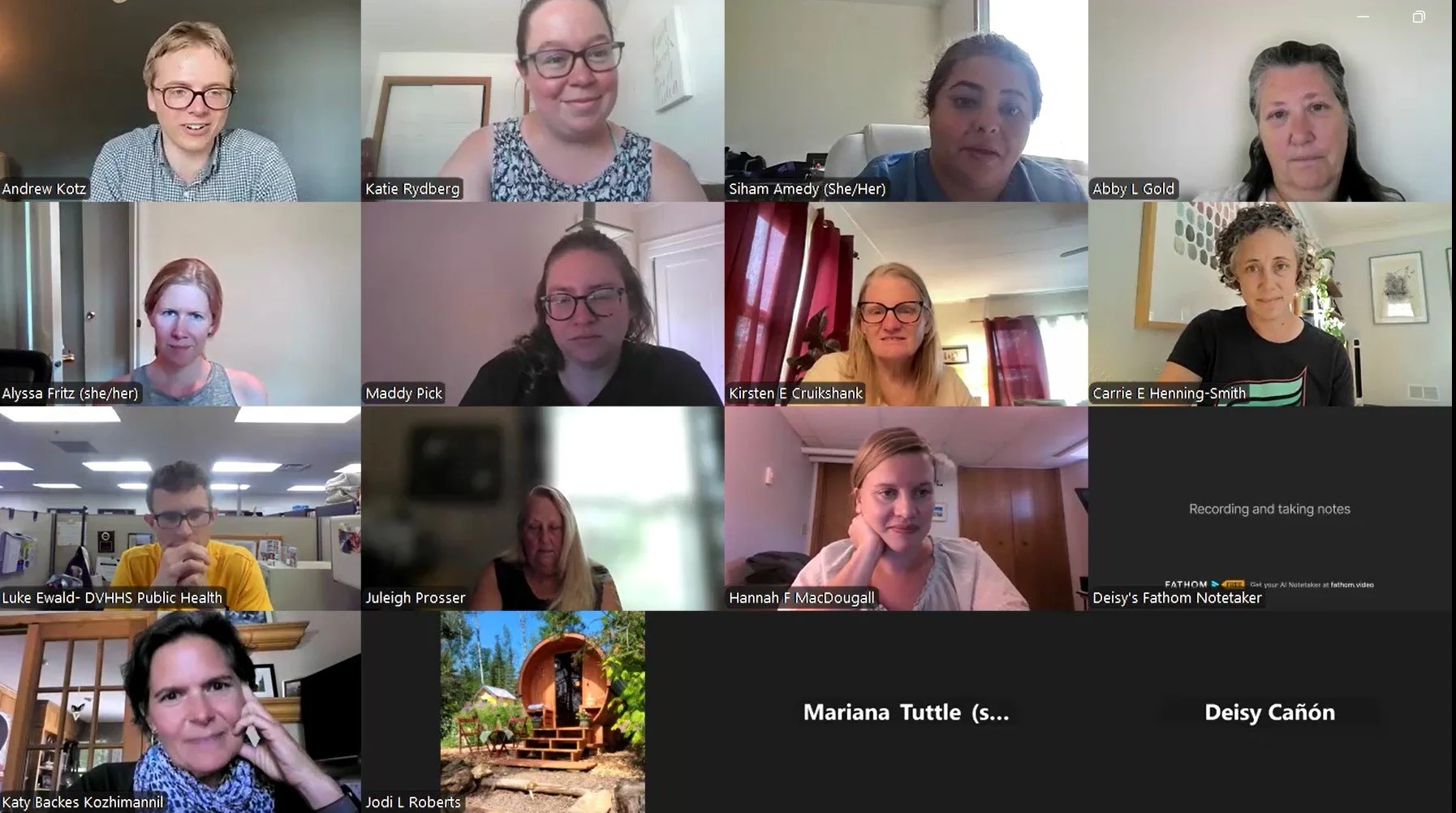
Project REACH kickoff for the 2025-2026 cohort in August 2025.
Building on the program’s early success, the team developed a free, public-facing resource: the Community-Centered Policy Impact Toolkit. Created after the program’s first year and expanded for broader use, the toolkit translates key elements of Project REACH, like problem framing and policy communication, into a practical, step-by-step guide.
Grounded in real-world examples from program participants, it offers a tangible look at how community-driven policy change can take shape.
As Project REACH continues to grow, its mission remains the same: meet people where they are and support them in driving change.
Each participant is paired with two university learning partners, creating a two-way learning experience that not only strengthens community leadership but also reshapes how academic partners understand rural health.
Looking forward, Rydberg hopes to expand the program’s reach while continuing to adapt to the needs of each cohort. Because in rural health, as in policy itself, there is no one-size-fits-all solution.
What is clear, however, is this: when communities are given the tools, support, and platform to lead, meaningful change follows.