A conversation with Jodi Roberts, former Public Health Advocacy Fellow
For Jodi Roberts, public health is personal. She has worked in education, health, and public health systems, and she has also raised children with complex medical needs. Navigating care as a parent showed her how hard it can be for families to get the right support at the right time, especially in rural places. That experience led her to a PhD program, studying health informatics as it relates to early hearing detection and intervention.
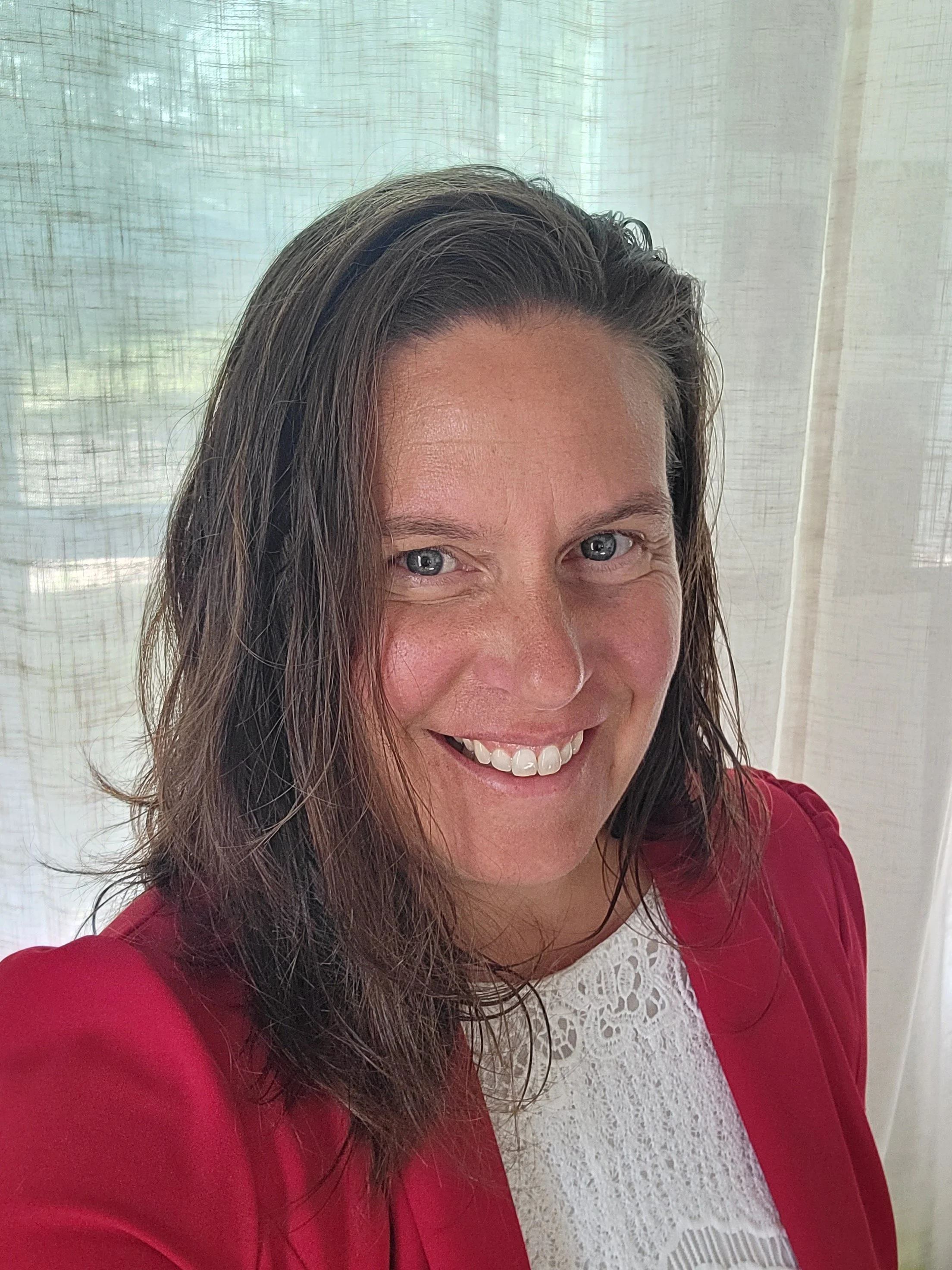
Jodi Roberts
Finding the Fellowship
Jodi will tell you she didn’t fully know what the Public Health Advocacy Fellowship was when she applied. What she did see was an opportunity to build a network and connect with people who care about newborn hearing screenings.
She also came to the Fellowship with a strong foundation. Before starting her PhD, Jodi took part in Project REACH, where she was paired with a “learning partner” in a deeply relationship-based model. When she saw that the ABH Fellowship also included a mentor, she felt it could build on what she had started and give her the same kind of relationship-driven experience.
Jodi did have one hesitation. Living in Duluth, she worried that a fellowship might require a lot of in-person time. She reached out to Amber at ABH, who made her feel included from the start. Amber grouped Jodi with other fellows and went above and beyond to make sure distance did not affect the experience. “She embraced the fact that I was in Duluth,” Jodi says of the support she received.
Why Newborn Hearing Screening Matters
Jodi’s focus is on the Early Hearing Detection and Intervention (EHDI) program, which supports newborn hearing screenings and follow-up care through the 1-3-6 guidelines:
1: All infants are screened for hearing by one month of age.
3: Babies who do not pass the screening are seen by an audiologist by three months.
6: Babies diagnosed with permanent hearing loss are enrolled in early intervention, and receive technology if appropriate, by six months.
The gap, Jodi explains, is not that medical providers are unaware of screening. Only a fairly small number of babies do not pass, and in her conversations with families in the community, she has heard that the result is often dismissed or minimized. Providers are not necessarily equipped to help families reach the next level of care, and the families are often going through this process for the first time, so they don’t know what to ask for or necessarily how to navigate it effectively. The Minnesota Department of Health offers plenty of resources, but providers typically have not received training on hearing loss. Getting that information into their hands, Jodi says, was imperative.
A Mentor Who Made It Happen
Jodi’s Fellowship mentor was Dr. Katie Freeman, a family physician at M Health Fairview and with the University of Minnesota Medical School. Dr. Freeman works in a clinic that serves a large BIPOC community and brings a social determinants of health mindset and a firm public health foundation to her work. Jodi says she admired that approach, and that Dr. Freeman built up her confidence in educating providers throughout the year.
The Fellowship year was an ongoing conversation, and Jodi was clear that she wanted action to come from it. Jodi had created EHDI educational videos as a contractor for the Minnesota Department of Health, and wondered how to get them promoted to the right people. Dr. Freeman pointed out that Jodi had a platform to make continuing education happen through the University of Minnesota and M Health Fairview. Jodi brought her own connections at the Minnesota Department of Health, and together they created a live continuing education session for M Health Fairview providers. The session was recorded and remained available for a year afterward.
The training also shared other organizations that providers can refer parents to for support and community, because support for parents is just as essential as the screening itself. Nearly 120 providers from M Health Fairview have now watched the session.
“It was all about working together to create something incredible,” Jodi says.
Her Fellowship experience, she says, showed what is possible when mentorship, community connections, and a commitment to action come together, and she is eager to keep working on behalf of families who need support.
Jodi’s story is a reminder that meaningful change in public health often starts with a single conversation. A mentor who believed in her, a network built across distance, and a shared commitment to action turned an idea into training that nearly 120 providers have now completed. For the families who will one day hear that their baby did not pass a hearing screening, the work done through this ABH Fellowship, means that a provider who has partaken in the training is hopefully more equipped to know what to say and where to send them next.